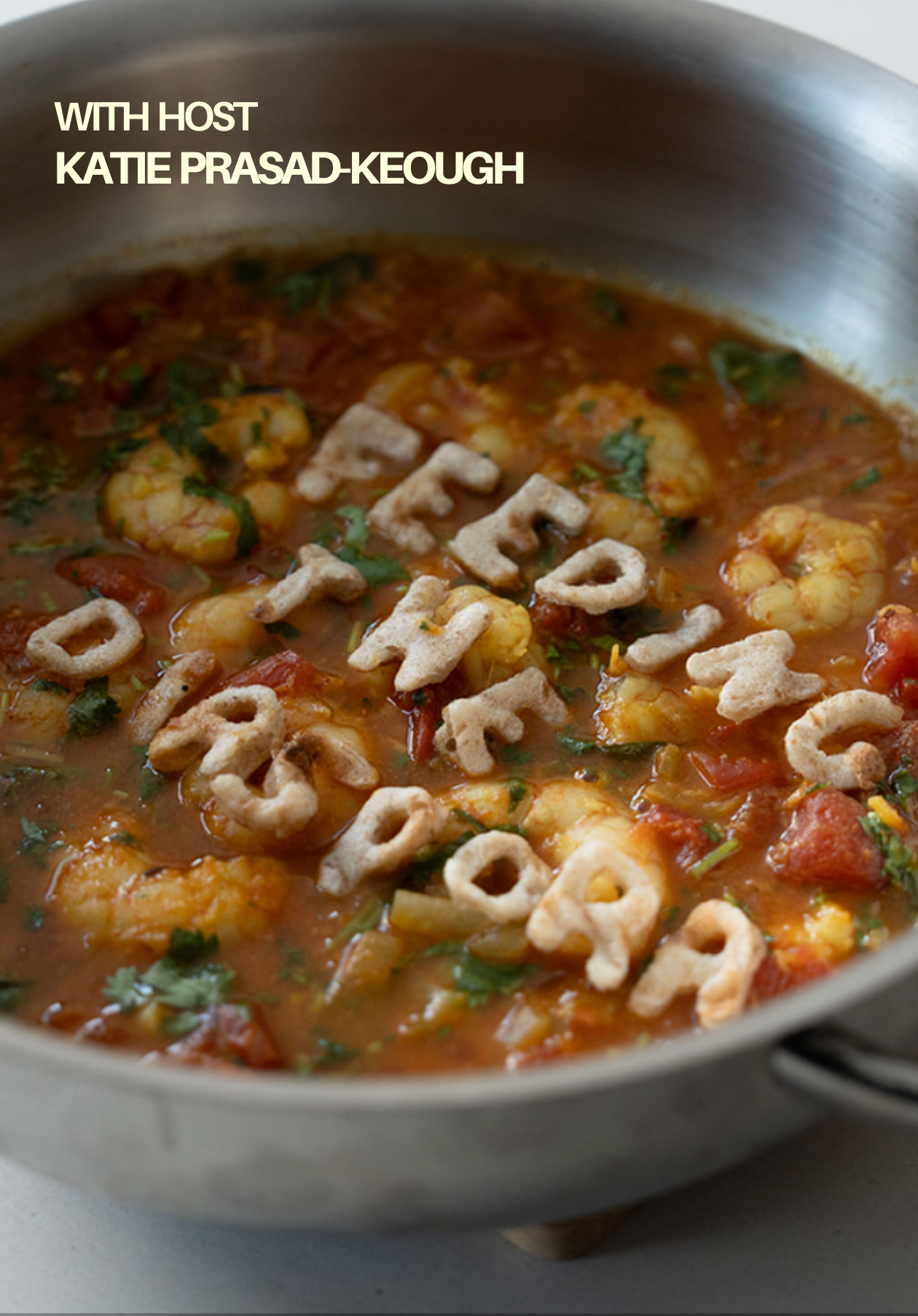
Feeding the Diaspora is a documentary series about what it means to inherit a culture generations after migration.
Through intimate meals with acclaimed chefs, artists and cultural voices, the series explores identity and belonging by tracing the recipes, stories and traditions passed down by the generations that came before.
At the table, personal histories become part of a larger conversation about the ways culture evolves over time. By bringing different diasporic experiences together, Feeding the Diaspora explores not only what makes our stories distinct, but the experiences that continue to connect us across cultures and generations.
OUR STORY
FILMMAKER’S STATEMENT

Feeding the Diaspora grew out of my experiences of belonging to multiple cultures, and the questions that come with trying to understand where and how you fit between them. Growing up, food was the only tangible connection I had to my Indo-Fijian heritage. I came to understand that a recipe can hold far more than ingredients: it can carry memory, loss, resilience, and generations of stories that might otherwise disappear.
As a third-generation Canadian, the recipes passed down through my family are among the few remaining threads connecting me to a culture previous generations felt compelled to let go of in order to assimilate. Today, I find myself holding tightly to those fragments, searching through food and family history for a deeper understanding of who we are, what we have inherited, and how the legacies of colonisation and trauma continue to shape us. Using food as a doorway into larger conversations about identity, heritage, representation, grief, and belonging. Around the table, stories that begin from vastly different cultural histories often arrive at unequivocally familiar emotions.
As a filmmaker, I’m drawn to the spaces between cultures and to identities that cannot be contained by a single place or definition. With this series, I wanted to create something intimate and visually rich that honours the specificity of each person’s story while revealing what connects us across our differences. At a time when difference is so often used to divide us, there is urgency in telling stories that remind us how much of the human experience we share.
CREATOR & DIRECTOR
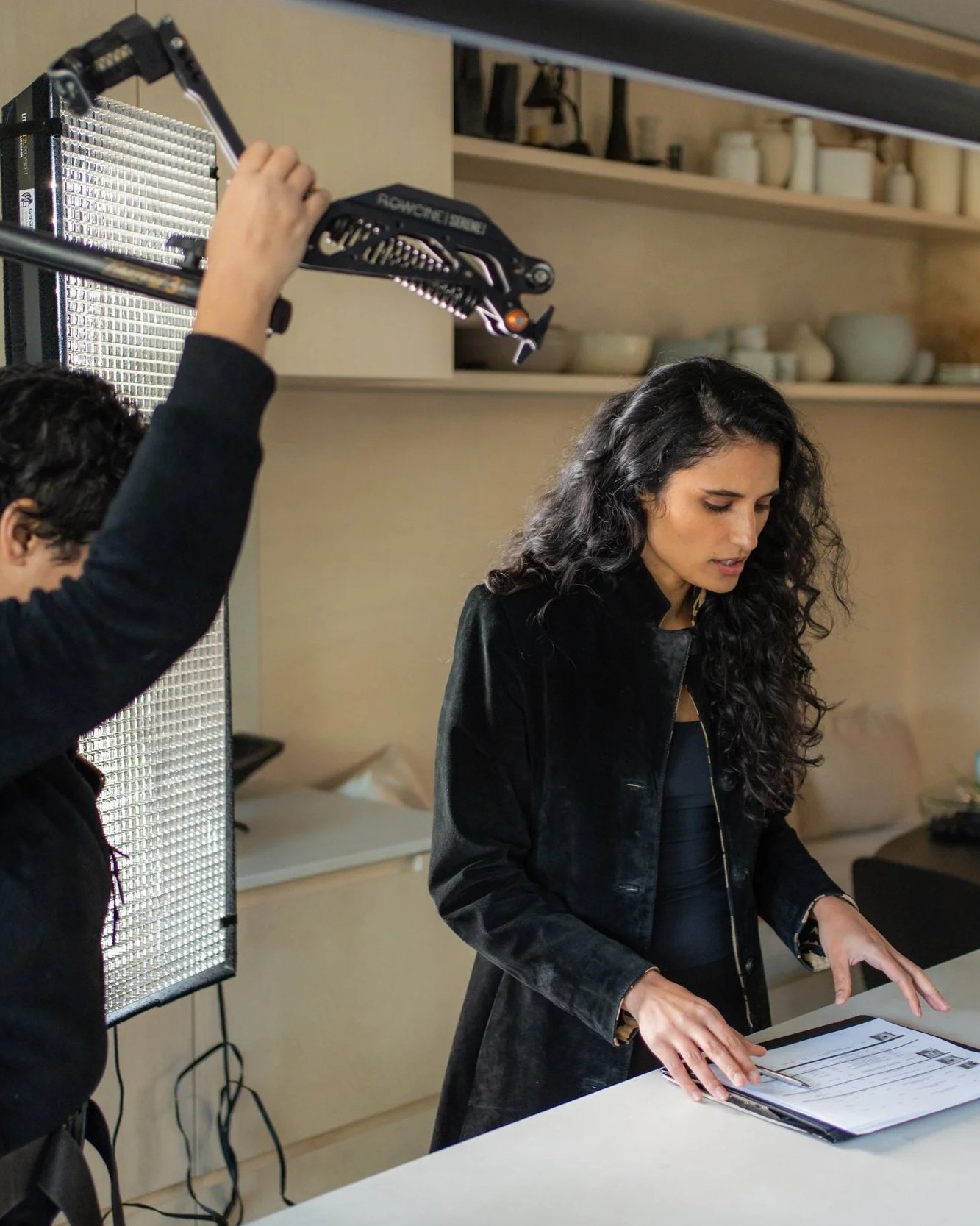
Katie Prasad-Keough is a Vancouver-based filmmaker and writer whose work explores generational identity, cultural inheritance, trauma, grief, and belonging. She has a BA in Communications & Media Studies from Simon Fraser University.
Shaped by her own experience of living between cultures, she is drawn to stories that examine the tension between inherited history and contemporary identity. Examining the symbols, rituals, and archetypes through which we make meaning across cultures and generations.
Drawing on more than a decade of experience working across film and television as an actor, she brings a deeply character-driven approach to directing, with a focus on intimacy, emotional honesty, and human connection.
She created, wrote, directed, executive produced, and hosts Feeding the Diaspora, a six-part documentary series that uses food as a gateway into stories of migration, memory, loss, resilience, and cultural identity. Her visual approach extends through the series’ production design, sets, wardrobe, and carefully considered colour palettes, using recurring symbols and visual motifs to deepen the emotional language of each story.
DIRECTOR OF PHOTOGRAPHY
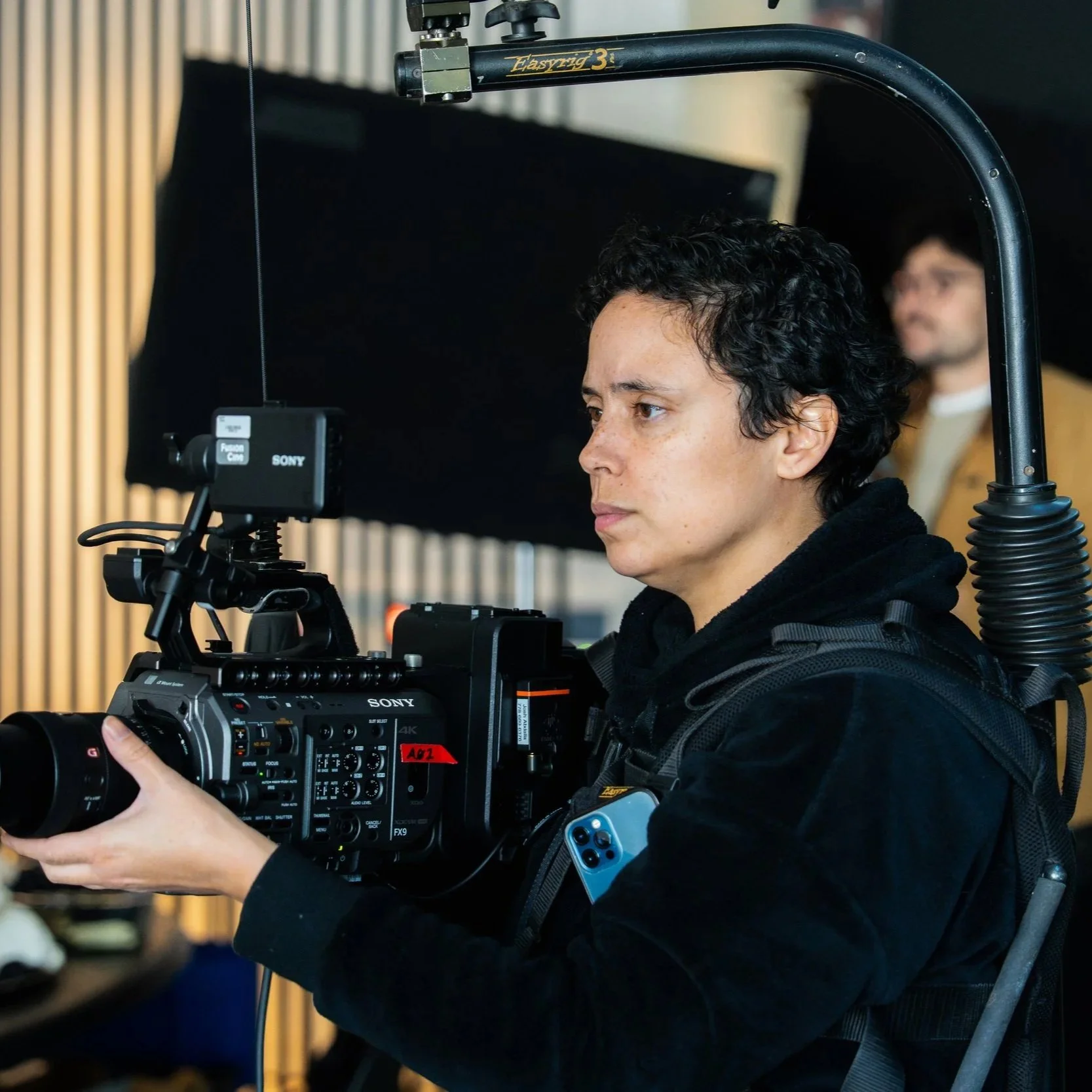
SARA GARTH is a Los Angeles and Vancouver based cinematographer whose work spans documentary and narrative features, episodic television, commercials, music videos, and more than 50 short films. A graduate of the University of Chicago’s Cinema and Media Studies program, she has built a career around visually rich, character-driven storytelling and an approach to cinematography grounded in representation, emotion, and human connection.
Sara served as Director of Photography on the Netflix documentary Black Barbie, executive produced by Shonda Rhimes and Betsy Beers. The film premiered at SXSW, screened at Hot Docs and the Cinémathèque Française, and went on to win the NAACP Image Award for Outstanding Documentary and two Daytime Emmy Awards, as well as the Gordon Parks Award for Black Excellence in Filmmaking at the Tallgrass Film Festival.
Her feature work also includes Christopher Münch’s The 11th Green, which had its world premiere at the Palm Springs International Film Festival. Sara was additionally named a semifinalist for the 2025 Women in Media Altitude Awards, recognizing women and gender-nonconforming cinematographers working behind the camera.
As Director of Photography on Feeding the Diaspora, Sara led the series’ cinematography and worked closely with creator and director Katie Prasad-Keough to translate its themes of memory, cultural identity, grief and belonging into a cohesive visual language. Through intimate portraiture, thoughtful composition, and a camera that remains close to the emotion of each conversation, she helped bring the series’ cinematic vision to life.
CONSULTING PRODUCER
NEWFILMMAKERS LOS ANGELES
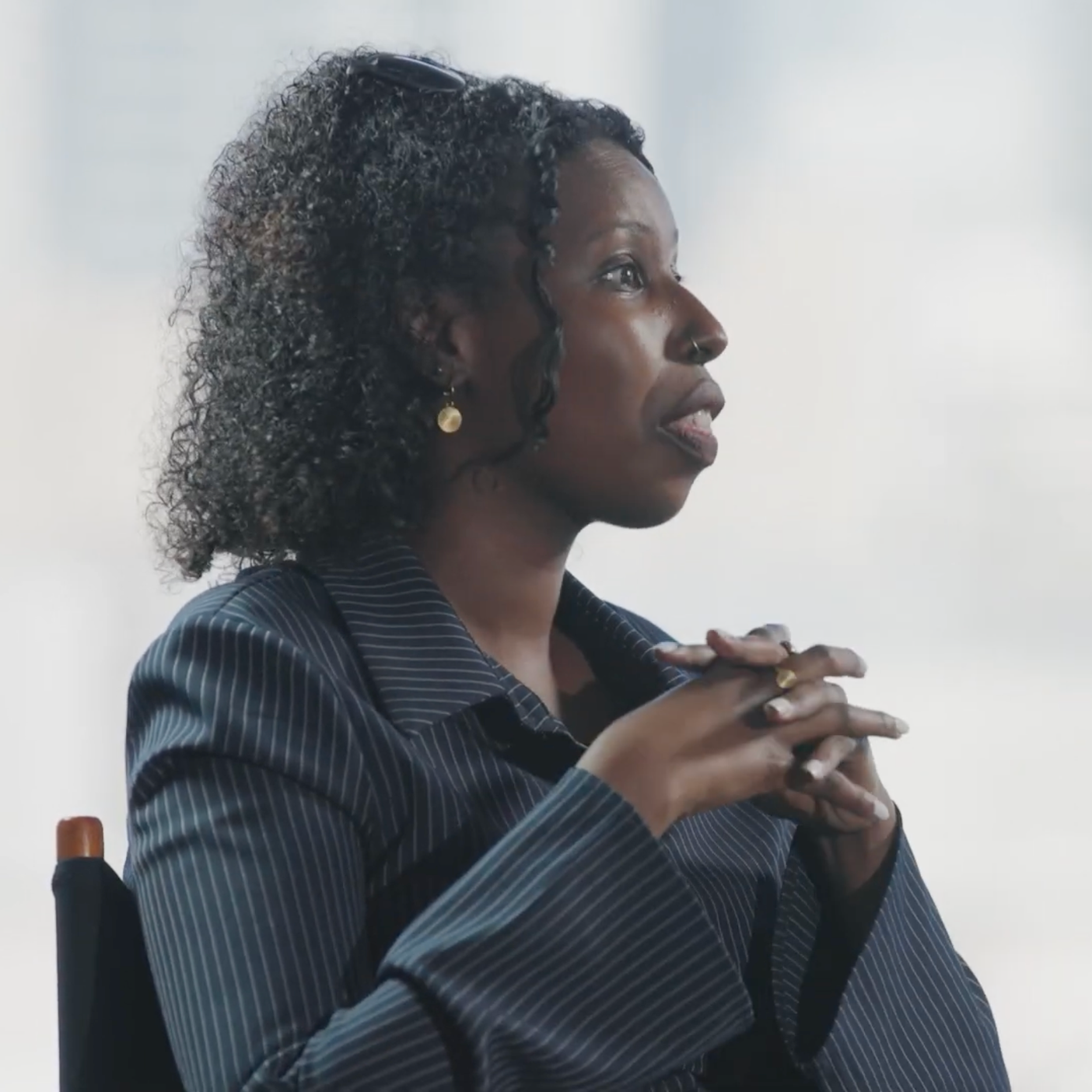
ILHAN ABDUALLAHI is a Somali-Canadian filmmaker, producer, educator, and community organizer whose work centers Black, Muslim, migrant, and refugee communities. Her films explore identity, belonging, migration, and social change through character-driven storytelling.
Her work includes Dreamers, Not For Us, Unqualified, and her debut feature Lifeline, developed through the Whistler Film Festival Screenwriters Lab. Lifeline screened at VIFF and Reelworld Film Festival. In 2026, she received NewFilmmakers Los Angeles’ Best Performance Comedy award for Unqualified and was selected for the Whistler Film Festival Producers Lab. Her work and community advocacy have also been recognized by Canadian Heritage, which featured her among Canada’s noteworthy Black figures.
Alongside her filmmaking, Ilhan holds a Bachelor’s degree in Health from Simon Fraser University and a Master of Public Health from the University of Toronto’s Dalla Lana School of Public Health, specializing in Global Health. She is currently a PhD candidate at Simon Fraser University, where her research explores health equity, community organizing, and the potential of storytelling and impact filmmaking to create social change.